
Rescue is written one life at a time.
Behind every feeding schedule, enclosure, treatment, and release is a story worth remembering.
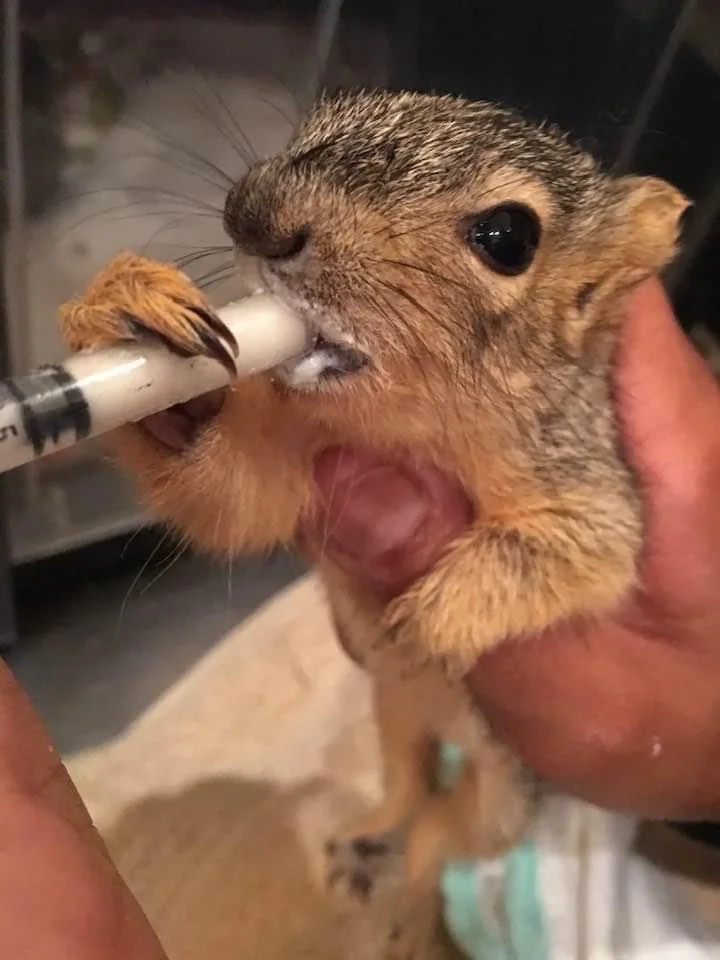
The patient that fits in one hand.
A newborn arrives with eyes closed and no way to survive alone. The rescue becomes warmth, safety, and a clock set around feedings rather than sleep.
Days become weeks. Fragility becomes strength. The same tiny animal that once depended on a syringe begins climbing, foraging, and choosing distance from people—the clearest sign that rehabilitation is working.
Learning to trust the wild again.
Injury can turn a familiar habitat into a place of danger. Healing the body is only one part of recovery. The animal must also regain balance, confidence, strength, and the behaviors needed to live without human help.
That process cannot be rushed. Good rehabilitation follows the patient’s readiness, not the calendar.

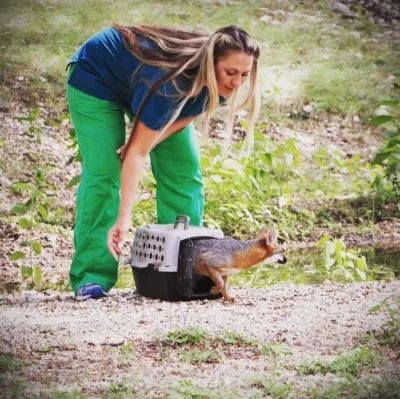
The door opens.
Release is quiet. There is no applause that matters to the animal. There is only open space, familiar air, and a choice.
Sometimes the patient pauses. Sometimes it runs immediately. Sometimes it looks back. Then the distance grows, and the rescue has done exactly what it was built to do.